The Sally Speech App is coming soon…
Watch this space!

Speech Therapy
Speech therapy helps children improve how they talk, understand language, and communicate, even without using words. A speech therapist is a trained professional who supports children in developing these skills in a simple, practical way.

Learn through Play
The word “play” refers to participation in enjoyable activities. Therefore, “play-based therapy” uses fun and engaging activities to help a child achieve their speech and language therapy goals.

Early Diagnostics
Early intervention has been shown to improve outcomes in speech therapy. This has been evident throughout my many years of practice in the field.
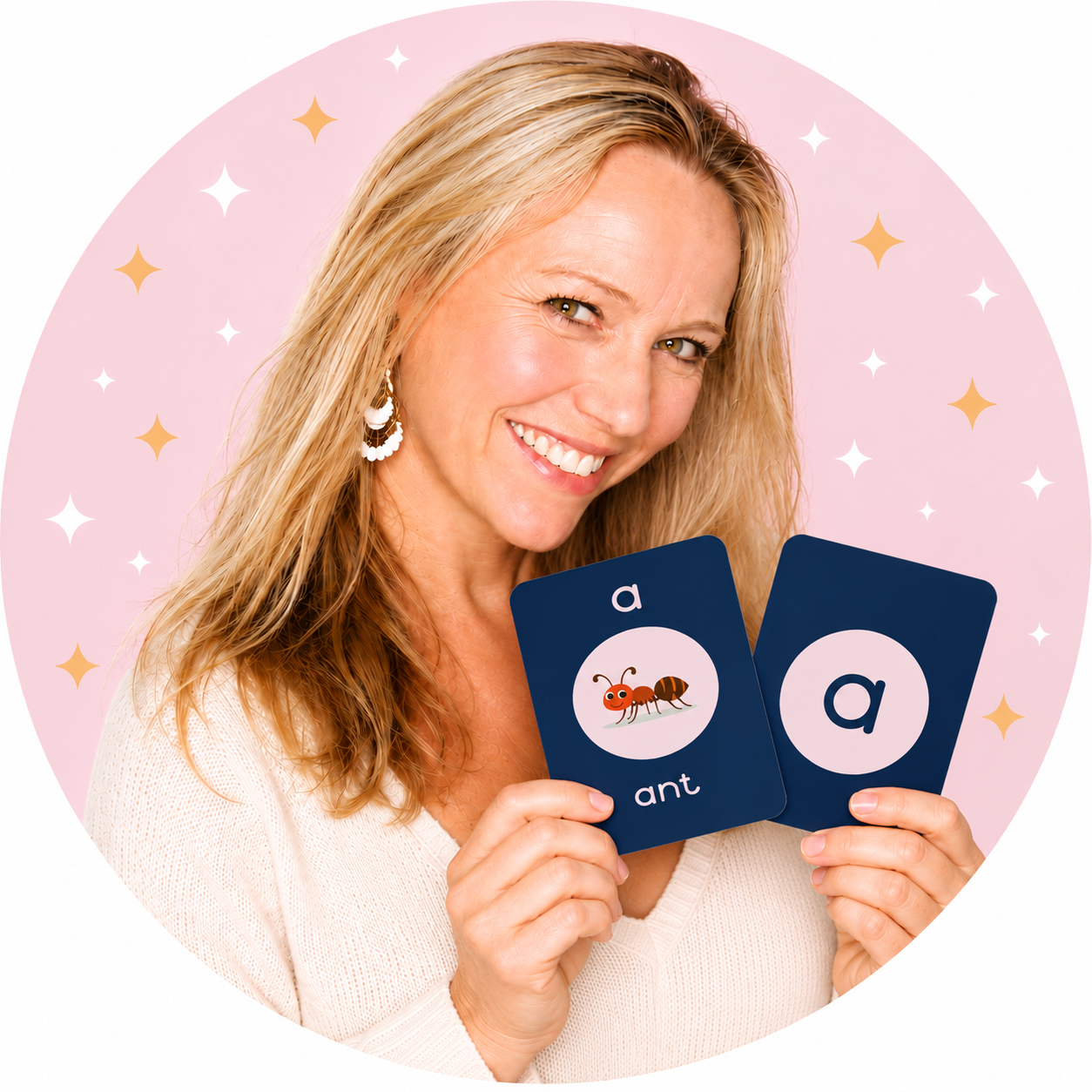
About Sally
Speech & Language Therapist
I created the Sally Speech App (coming soon!) after working as a speech therapist for over 20 years.
I’ve had the privilege of helping so many wonderful children, and I wanted to share the tips, ideas and insights I’ve learned along the way.
Every child is unique. One of the first things I encourage is discovering what truly sparks a child’s interest. What makes their eyes light up? What captures their imagination? Once you find that passion, use it as the foundation for learning.
My hope is that the Sally Speech App, along with our range of educational products, will be accessible to all and help make the learning journey fun!
Sally Speech App & useful tips coming soon!
Frequently Asked Questions
Let me put your mind at ease
How does articulation therapy work?
This is one example of articulation therapy:
- A child may be treated individually or in a small group.
- The therapist identifies a target sound, for example the /s/ sound.
- The child first practises the sound in isolation, such as saying /s/ in front of a mirror to help position the tongue correctly.
- The sound is then practised in different positions within a word, and later in short phrases, sentences, and conversational speech.
How common are speech and language difficulties?
Delays in language are the most common type of developmental delay. About one in five children begin talking or using words later than their peers. Some children may also show behavioural difficulties when they cannot express themselves clearly, both non-verbally and verbally.
What areas are covered in Speech Therapy?
Speech and language therapy for children focuses on different areas depending on their needs:
-
Articulation: Saying sounds and words correctly.
-
Fluency: Getting sounds, words and sentences out smoothly.
-
Receptive Language: Understanding what is said and following instructions.
-
Expressive Language: How a child expresses themselves.
-
Phonological Awareness: Playing with sounds in words, which is important for early reading (rhyming, identifying initial sounds, learning the sounds of the letters of the alphabet, clapping syllables).
-
Voice: Quality of the voice, including pitch, intonation, and clarity.
-
Central Auditory Processing (CAPD): Processing sounds, which can affect learning.
-
Social Use of Language: Communicating effectively in social situations.
-
Other Areas: Factors such as medical history, hearing loss, and how these affect daily activities.
Is there any new support or tools coming soon?
Watch this space! Sally is currently developing an early intervention app, which will be launching in December 2026.
Testimonials
What people are saying
